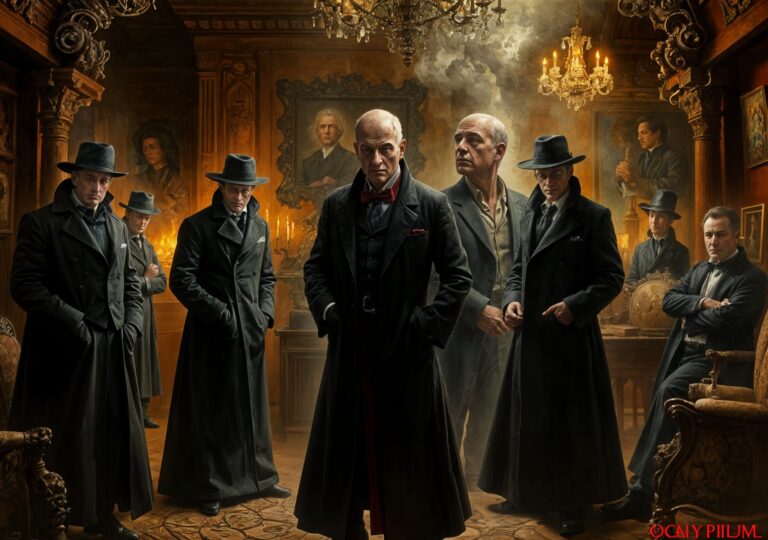
With the American election just a few days away, I thought it was time for this article.
The Secret Cabal As One Of Several Secret Societies
Secret societies and hidden cabals have long captured the public’s imagination. The idea of powerful groups working behind the scenes to control world events is both thrilling and unsettling.
You may have heard whispers about “The Secret Cabal” and wondered what’s real and what’s fiction.
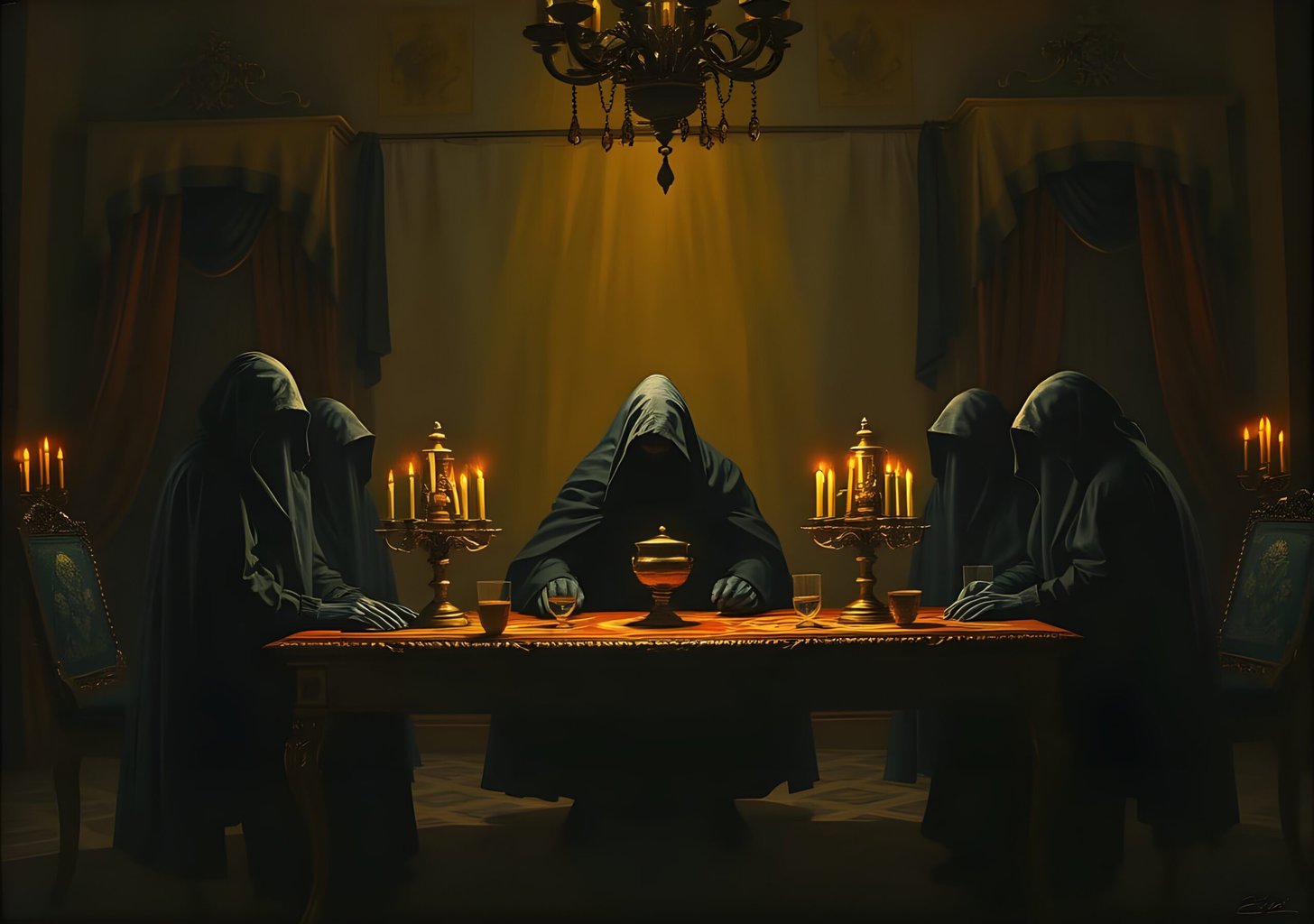
The truth is, much remains unknown about alleged secret organizations like The Secret Cabal. While some claim insider knowledge, concrete evidence is often lacking. Conspiracy theories tend to fill in the gaps, mixing fact and speculation.
You’ll find many passionate debates online about the existence and influence of secret cabals.
Some see hidden hands pulling strings in media, politics, and finance. Others dismiss such ideas as paranoid fantasies.
As you explore this topic, keep an open but critical mind. Look for reliable sources and be wary of claims without solid proof.
Origins and Evolution of the Secret Cabal Theory
The Secret Cabal theory emerged and spread rapidly in recent years. It gained traction through online platforms and entered mainstream discourse.
Emergence of the Theory on Message Boards
The Secret Cabal theory first appeared on anonymous message boards like 4chan and 8chan. These sites let users post without revealing their identities.
In 2017, a user called “Q” started making cryptic posts about a supposed global conspiracy.
Q claimed to have high-level government clearance. Their posts, known as “Q drops”, hinted at a secret war against a cabal of elites. The theory quickly caught on.
Believers worked to decode Q’s messages and spread them further.
Many users felt they were uncovering hidden truths. The theory gave them a sense of purpose and belonging. It spread beyond the original boards as more people joined in.
Transition to Mainstream Awareness
As the theory grew online, it began to attract wider attention. Social media played a big role in this shift.
Facebook groups and YouTube channels dedicated to the theory popped up. This exposed more people to these ideas.
Some public figures started referencing the theory. This gave it more credibility in some circles.
News outlets began reporting on the phenomenon. Even if they were critical, this coverage spread awareness further.
By 2020, the theory had become well-known. You might have heard politicians or celebrities mention it. It was no longer confined to niche online spaces.
Key Terminologies and Concepts
The Secret Cabal theory uses specific language and ideas. Here are some key terms you might encounter:
- “The Storm”: A future event when the cabal will be exposed and defeated
- “Great Awakening”: When the public learns the “truth” about the cabal
- Deep State”: A supposed group of hidden power players controlling governments
- “WWG1WGA”: “Where We Go One, We Go All”, a slogan used by believers
The theory often links real events to its narrative. It claims these are signs of the ongoing battle against the cabal. Believers see coded messages in speeches, news reports, and even random numbers.
The theory is flexible. It adapts to include new events and people. This helps it stay relevant to its followers over time.
The Ideological Framework

The Secret Cabal’s ideology mixes political ideas, power narratives, and mythical beliefs. It draws followers with promises of hidden truths and a coming upheaval.
Political Underpinnings
The Cabal’s political views blend right and left ideas. They claim both sides are controlled by a hidden “deep state.”
You’ll hear talk of corrupt elites running things behind the scenes.
The group sees standard politics as a sham. They say elections and laws are just for show. Real power, they argue, lies with secret groups pulling the strings.
Some Cabal followers think certain politicians are secret allies. They look for “coded messages” in speeches and tweets.
Narratives of Power and Control
The Cabal paints a picture of a world run by shadowy figures. You’re told these hidden powers control the media, banks, and governments.
They say this secret group plans world events. Wars, economic crises, and even natural disasters are seen as planned.
The Cabal claims to fight this control. They position themselves as truth-tellers exposing lies. Followers feel they’re part of an inside group with special knowledge.
Mythology Surrounding ‘The Storm’
‘The Storm’ is a key part of Cabal lore. It’s seen as a future event that will change everything. You’ll hear it described as a time when secrets come out and bad guys get caught.
Many followers see it as a big arrest of corrupt leaders. Some think it will be a military takeover. Others expect public revelations of hidden truths.
The idea of a savior figure often ties into ‘The Storm.’ This could be a politician, military leader, or even an otherworldly being. They’re expected to lead the charge against evil forces.
The Cult of Celebrity and Politics
Famous people play a big role in spreading ideas about secret groups. Some stars and politicians get caught up in these beliefs too.
Influential Figures and Endorsement
Donald Trump has hinted at secret plots during his campaigns. This gave more attention to conspiracy theories.
Some celebrities share these ideas with fans on social media. Their posts reach millions of people quickly.
Marjorie Taylor Greene and Lauren Boebert have also talked about secret plans in government. As members of Congress, their words carry weight.
Alex Jones used his radio show to tell listeners about hidden groups for years.
Celebrities and Politicians as Perpetrators or Targets
Some theories say stars and leaders are part of secret clubs. Others claim they’re victims of plots.
Hillary Clinton was often named in conspiracy stories during elections.
Jerome Corsi wrote books saying politicians hide dark secrets. His work spread these ideas to many readers.
Some famous people fight back against rumors. They say false claims hurt their careers and families. But denials sometimes make believers more sure the theories are true.
Propagation Through Media and Technology

The spread of conspiracy theories relies heavily on modern communication tools. Social media, traditional outlets, and alternative platforms all play key roles in sharing these ideas.
Role of Social Media Platforms
Social media has been crucial in spreading conspiracy theories.
Facebook, Twitter, and YouTube have large user bases that can quickly share posts and videos.
These platforms use algorithms that show users more of what they already like. This can create “echo chambers” where people only see ideas they agree with.
Many social media companies have tried to limit the spread of false info.
They’ve removed accounts, added warning labels, and changed how content appears in feeds.
But these efforts haven’t stopped all conspiracy content from spreading. Some users find ways around the rules or move to other platforms.
Contribution of Traditional Media
TV, radio, and newspapers have also played a part in spreading conspiracy theories. Some outlets give airtime to people who promote these ideas.
Even when trying to debunk false claims, news coverage can accidentally spread them further. Repeating a claim, even to say it’s wrong, can make people remember it.
Some media figures have gained followings by discussing conspiracy theories. This can lend credibility to fringe ideas in the eyes of their audience.
Documentaries on streaming services have explored conspiracy cultures. While some aim to explain or critique, others may spread misleading info.
Adoption of Alternative Communication Channels
As major platforms crack down, many conspiracy believers move to alternative apps.
Telegram, for example, has become popular for sharing unmoderated content.
These apps often have fewer rules about what can be posted. This allows ideas to spread that might be blocked elsewhere.
Some groups create their own websites or forums. This gives them full control over their message and community.
Podcasts and video streaming sites are also key channels. They allow for long-form content that can dive deep into complex theories.
Code words and symbols help believers find each other online. Hashtags like #TheGreatAwakening act as rallying points on various platforms.
Impact on Society and Public Response
The Secret Cabal conspiracy theory has sparked strong reactions across the US. It has led to protests, government action, and concerns about misinformation.
Rallies, Riots, and Public Demonstrations
Believers in the Secret Cabal theory have held large rallies in major cities. These events often draw thousands of people. Some have turned violent.
In 2023, a riot broke out at a Cabal protest in Chicago. Protesters clashed with police. Over 100 people were arrested.
You may have seen footage of the January 6 Capitol riot. Many rioters cited Cabal beliefs as their motivation.
Smaller demonstrations happen regularly. Protestors often target government buildings and media outlets. They claim these are controlled by the Cabal.
Governmental Reaction and Congressional Response
Congress has held hearings on the Cabal theory. They’ve questioned social media CEOs about its spread online.
Some lawmakers want new laws to fight conspiracy theories. Others say this would limit free speech.
The FBI now tracks Cabal-related threats. They’ve stopped several planned attacks by believers.
State governments have responded differently. Some have passed laws banning Cabal content in schools. Others have protected believers from job discrimination.
Consequences of Disinformation
Cabal misinformation has real impacts. It’s damaged trust in institutions.
Some families have split over Cabal beliefs.
Acts of violence linked to the theory are rising. In 2024, a man shot up a pizza restaurant. He believed it was part of the Cabal.
Experts worry about election effects. Cabal believers often claim votes are rigged. This could lead to unrest.
Public health has suffered too. Many Cabal followers reject vaccines and other medical advice.
The Underlying Threats and Harmful Activities
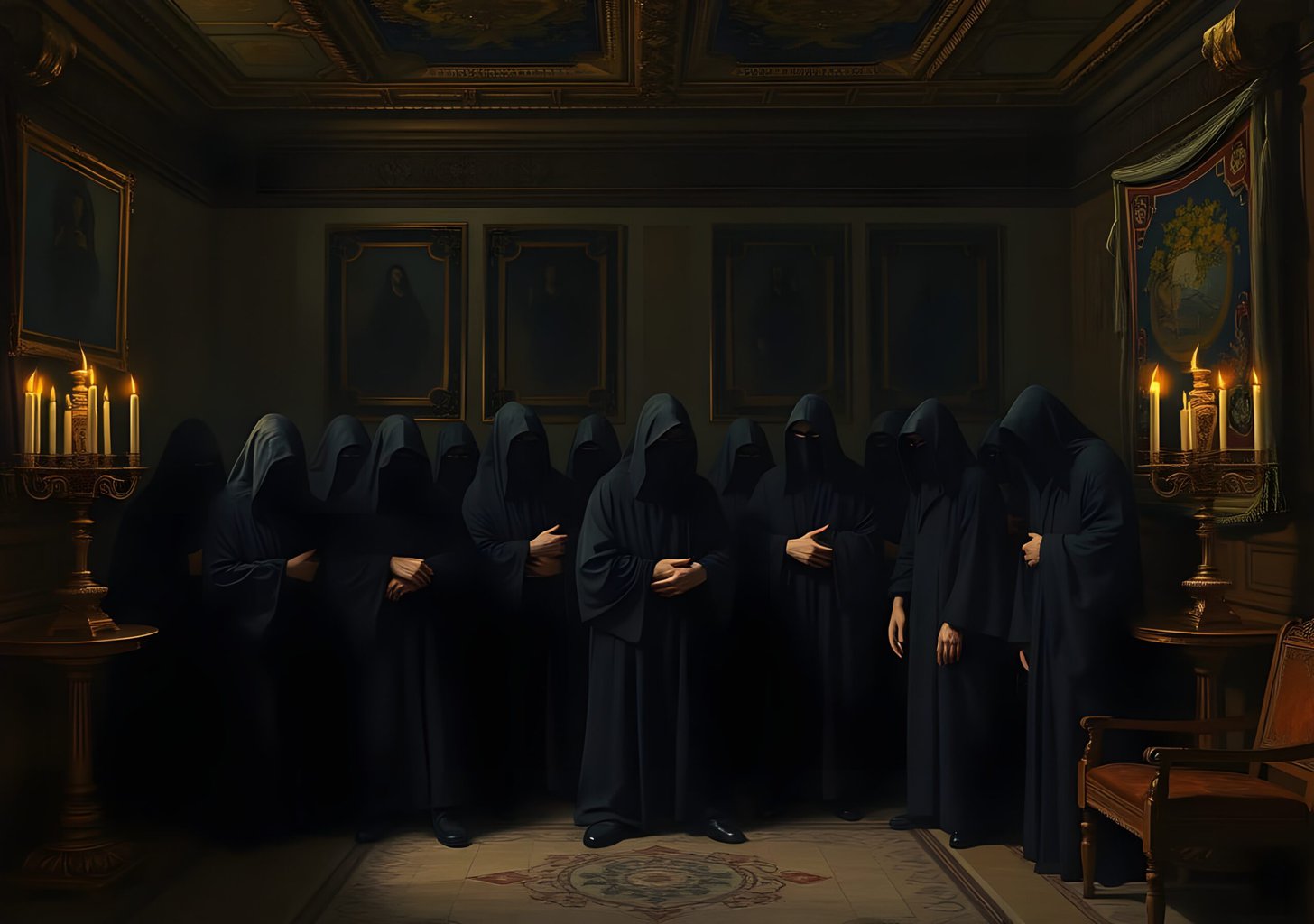
The Secret Cabal conspiracy theory has led to real-world dangers and illegal activities. It has fueled misinformation and pushed some believers to take extreme actions.
Lucrative Side of Conspiratorial Merchandise
You can find many products linked to Secret Cabal beliefs. T-shirts, books, and online courses make money from these ideas.
Some sellers push fake cures or survival gear. They claim these items will protect you from the “cabal.”
This merchandise often spreads false info about public figures. For example, some products accuse John Podesta of crimes without proof. Others make wild claims about child trafficking rings run by elites.
The FBI has warned that these theories can lead to violence. In 2016, a man fired shots in a pizza shop. He believed it was tied to a pedophile ring. No one was hurt, but it showed how dangerous these ideas can be.
Criminal Activities and the Law Enforcement Perspective
Law enforcement keeps a close eye on groups linked to Secret Cabal beliefs. Some followers have committed crimes based on these ideas.
In rare cases, this has led to violence or threats.
The FBI sees these theories as a domestic terror threat. They worry believers might try to take the law into their own hands.
Police have had to deal with false reports of trafficking and abuse.
You should know that many claims are not backed by facts. Ideas about “adrenochrome” harvesting or widespread elite pedophile rings are made up. There’s no proof of large-scale, secret child sex trafficking by powerful people.
Cops focus on real crimes, not conspiracy theories. They work to stop actual human trafficking and abuse. But they also must handle issues caused by false beliefs.
Critical Analysis and Debunking Efforts

Fact-checking and education play key roles in addressing conspiracy theories. These approaches aim to provide accurate information and critical thinking skills to counter false narratives.
Countering Narratives Through Fact-Checking
Fact-checking helps combat the spread of conspiracy theories. Many organizations research claims and publish their findings.
They look at evidence and consult experts to verify or debunk stories.
Some fact-checkers focus on Q drops and QAnon predictions. They track which claims come true and which don’t. This creates a record of the movement’s accuracy over time.
Social media platforms have started labeling posts with fact-checks. This lets you see verified info alongside conspiracy content. It helps you decide what to believe.
Educational Initiatives and Awareness Campaigns
Schools and groups run programs to teach critical thinking. These help you spot fake news and conspiracy theories.
You learn to question sources and look for proof.
Some campaigns focus on media literacy. They show you how to find trustworthy news.
You learn to tell real stories from made-up ones.
Other efforts teach about past conspiracy theories. You see how they started and why people believed them.
This helps you spot similar patterns in new claims.
Online courses explain how conspiracy theories work. You learn about echo chambers and confirmation bias.
This knowledge helps you avoid falling for false ideas.
Prague, October 2024
All images are artificial generated by Dirk Bosman and licensed under Creative Commons BY-NC 4.0