
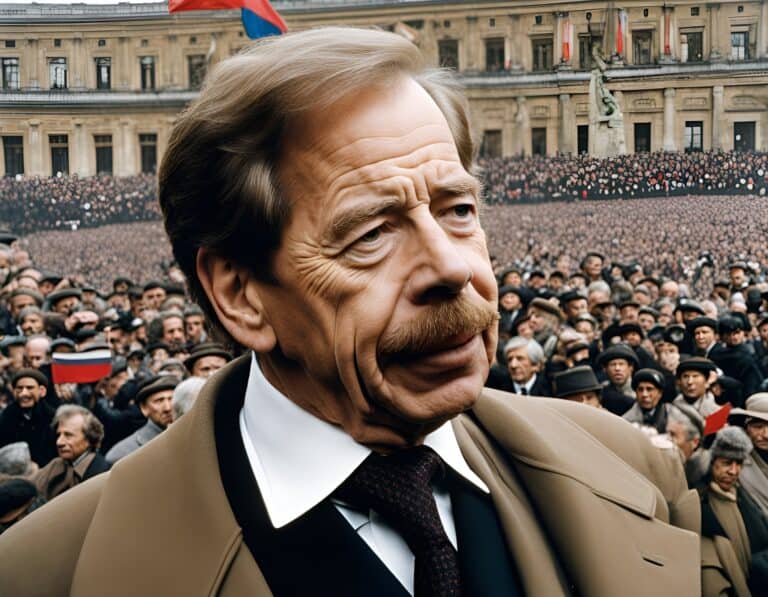
My take on the Cold War in Prague
This text beautifully encapsulates Prague’s intricate Cold War history, depicting it as more than just a series of events but a tangible, layered experience etched into the city’s essence. It delves into the covert operations, tensions, and moments of resilience during this era, showcasing the intertwining of political struggle and the city’s everyday life. It emphasizes the significance of events like Operation Anthropoid and the Velvet Revolution while highlighting how Prague’s past continues to resonate in its present-day existence through museums and memorials, ensuring that the lessons of that time are not forgotten. Overall, it’s a compelling narrative that invites exploration into the complex tapestry of Prague’s past, revealing stories of strength, resistance, and the pursuit of freedom amidst challenging circumstances.
The Cold War in Prague
The Cold War was a lengthy showdown between the United States and the Soviet Union, marked by political, ideological, and military clashes. While it had global effects, its impact on Prague, the capital of Czechoslovakia, was particularly complex. Sheltered by the Iron Curtain, Prague became a hotbed of secret operations, spying, and hidden maneuvers during this chaotic time. The city’s streets held hushed conversations, making it hard to tell friend from foe, blurring the lines between trust and suspicion. It was a realm where secretive dealings thrived, and alliances remained mysterious, showcasing a distinct angle of the broader Cold War narrative.
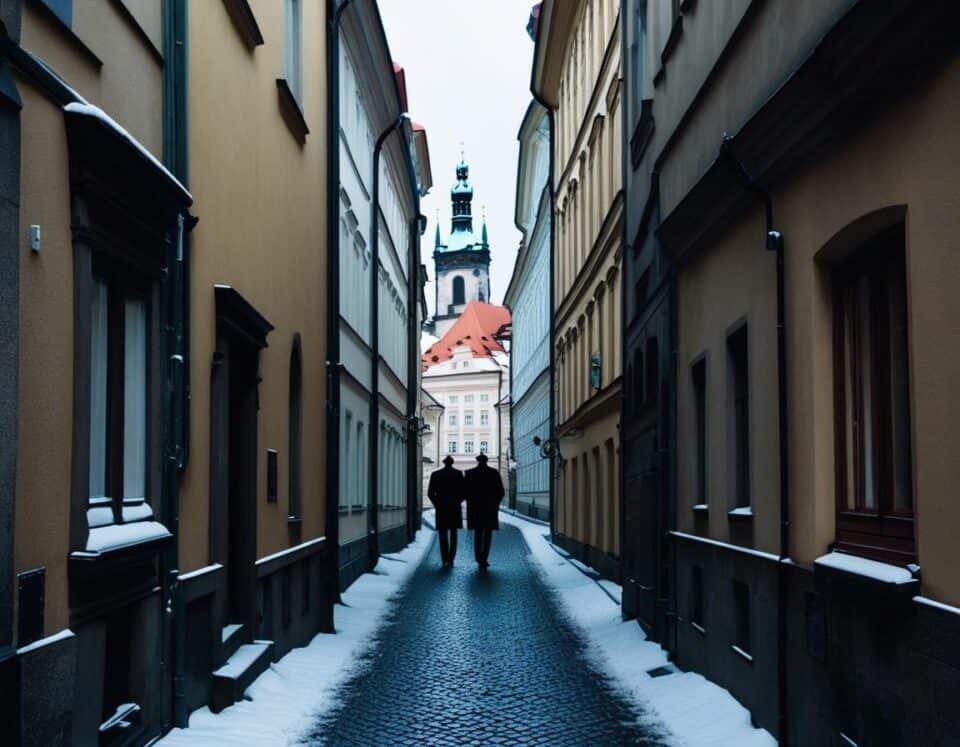
Background of the Cold War
During the aftermath of World War II, Czechoslovakia found itself under the shadow of Soviet influence, much like its Eastern European counterparts. The communist regime swiftly took root and consolidated its authority, establishing Czechoslovakia as a pivotal constituent of the Soviet-backed Eastern Bloc. This alliance wasn’t merely a matter of political camaraderie; it entwined the nation’s economy, governance, and societal fabric with Soviet ideologies and policies. The extensive reach of Soviet influence penetrated every layer of Czechoslovakian society, creating a deeply ingrained allegiance that shaped the country’s political landscape and solidified its status as a critical partner within the Eastern Bloc. This profound intertwining with Soviet interests underscores the intricate complexities of Czechoslovakia’s role during the Cold War era, offering insights into the multifaceted layers of its involvement in the global power struggle between East and West.
The Intelligence Battleground: Operation Anthropoid

The killing of Reinhard Heydrich, a significant Nazi leader linked to the Holocaust, echoed across Prague as a crucial moment in World War II. Operation Anthropoid, meticulously plotted and carried out by Czechoslovak resistance fighters in collaboration with the British Special Operations Executive, stands as a gripping tale woven with threads of espionage, bravery, and historical importance. The careful planning and bold execution highlighted the immense risks and unwavering determination of those involved. The aftermath, marked by a frantic manhunt and widespread consequences, enveloped Prague in an atmosphere charged with secretive tensions and crucial intelligence work. Beyond its immediate impact, Operation Anthropoid stands as a powerful symbol of resistance against Nazi oppression, portraying the complexities and sacrifices endured within Prague’s covert intelligence circles. This historical event reverberates through time, immortalizing the courage, sacrifices, and intricate intelligence networks embedded within Prague’s World War II history.
The Czechoslovak Secret Police: A Web of Surveillance
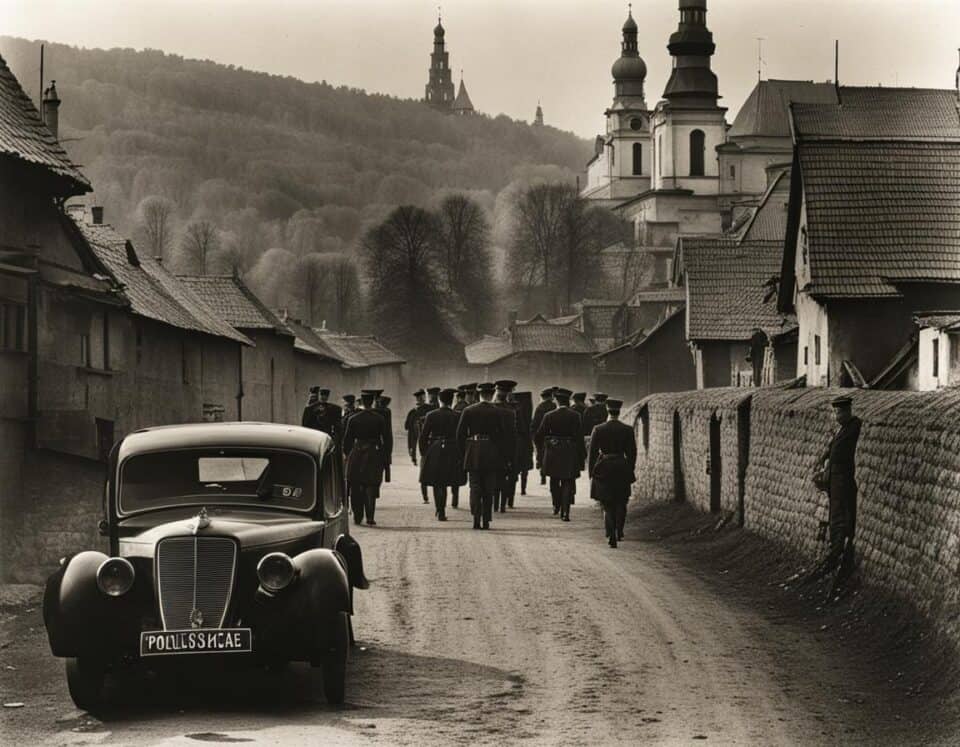
Operating under the pervasive influence of the Soviet Union, the StB wielded a formidable grip over Czechoslovakian society, employing a sophisticated and relentless surveillance network. This agency’s efficiency extended beyond conventional intelligence gathering; it encompassed an insidious infiltration of dissident factions, utilizing psychological tactics to maintain control and quash opposition. Citizens found themselves ensnared in a web of constant surveillance, where even private conversations or associations were subject to scrutiny, fostering an atmosphere of pervasive fear and mistrust.
The StB’s tactics were multifaceted. They orchestrated widespread monitoring through informants placed strategically within communities, workplaces, and social circles, encouraging citizens to surveil one another, thereby breeding an environment of suspicion and caution. Dissenting voices or activities were swiftly suppressed, with dissidents facing persecution, imprisonment, or forced exile.
In that tough setting, stories emerged of courageous defectors navigating dangerous routes to evade the suffocating surveillance. Double agents, torn between loyalty and self-preservation, wrestled with moral dilemmas and the constant threat of exposure. These accounts of individuals resisting the StB’s vigilant gaze showcase remarkable bravery in challenging the regime’s pervasive control, illustrating the resilience and unwavering spirit amidst relentless oppression.
For instance, dissidents like Vaclav Havel and other prominent figures dared to speak out against the regime’s injustices, facing imprisonment and suppression for their outspokenness. The StB’s tactics left an indelible mark on the psyche of Czechoslovakian society, shaping not only individual lives but also the collective consciousness of a populace living under the constant shadow of surveillance and suppression.
The Velvet Revolution: A Turning Point
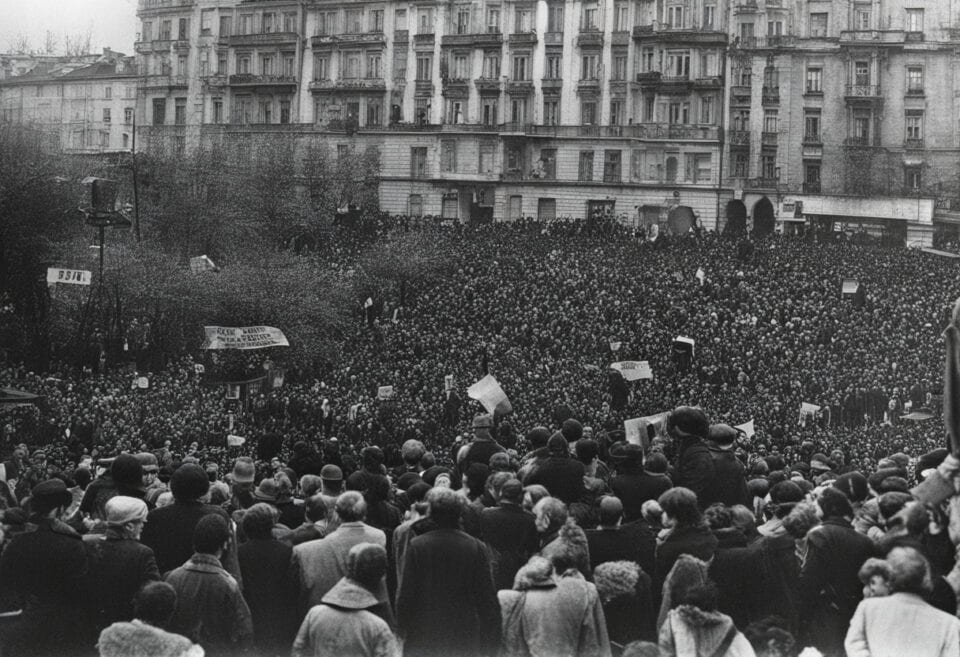
The protracted Cold War era in Prague reached a climactic juncture in November 1989 with the advent of the Velvet Revolution, a profound and peaceful uprising that reverberated throughout the city. This unprecedented movement stood as a collective defiance against the communist regime, representing a culmination of years of suppressed discontent and growing disillusionment among Czechoslovakian citizens.
In the midst of this revolution was Václav Havel, a well-known playwright and strong critic of the government, becoming a key figure rallying people against the harsh rule. His strong belief in democracy and passionate support for human rights struck a chord, pushing him to the front as a symbol of resistance against the established communist government.
The Velvet Revolution wasn’t merely a political shift; it symbolized a much deeper awakening within society—a collective yearning for fundamental values like freedom, fairness, and self-determination. This peaceful upheaval wasn’t just a testament to human endurance but also a profound demonstration of the incredible impact that united action can wield in reshaping the very fabric of society. It echoed the shared aspirations of a people longing not just for political change but for a broader societal transformation — a desire to forge a future defined by liberty and justice. The peacefulness of this movement magnified its significance, revealing the potency of unity and solidarity in driving monumental shifts towards a more equitable and self-governing society.
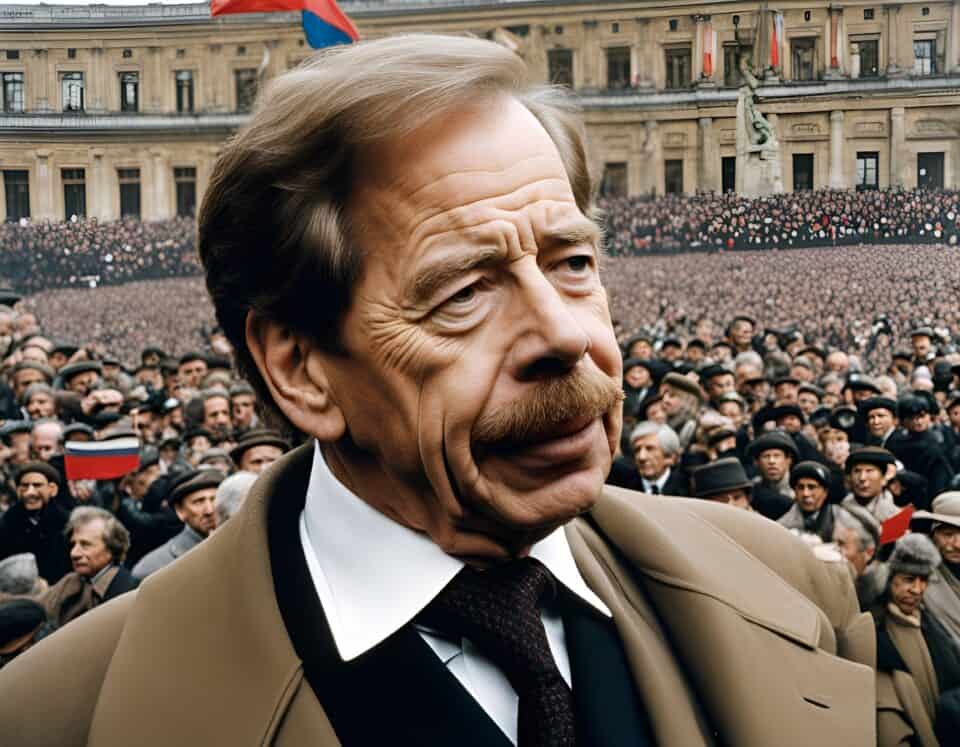
The fallout of this historic movement was transformative. The fall of the communist regime paved the way for a new chapter in Czechoslovakia’s history, marking the dawn of democracy and fostering a spirit of hope and renewal. Václav Havel’s ascendancy to the presidency, transitioning the nation into its post-communist phase, epitomized the triumph of democratic ideals and the indomitable spirit of a populace steadfast in their pursuit of liberty and self-governance. The Velvet Revolution remains an indelible testament to the resilience of the human spirit and the transformative power of peaceful resistance in shaping the course of history.
Today’s Legacy: Museums and Memorials
In contemporary Prague, the remnants and echoes of the Cold War era persist within various museums and memorials, serving as crucial repositories of historical knowledge and testimony to a significant epoch in human history. Institutions like the Museum of Communism and the KGB Museum stand as educational bastions, offering immersive experiences that vividly portray the intricate facets of life during that secretive and tumultuous period.
These museums serve as living chronicles, providing tangible connections to the past through an array of artifacts, archival materials, and interactive displays. Visitors can delve into the complexities of the Cold War era by exploring authentic relics, such as propaganda posters, surveillance equipment, personal effects, and preserved documents, each item carrying the weight of historical narratives and human experiences.
Moreover, these institutions offer more than mere displays of artifacts; they serve as conduits for personal stories and firsthand accounts of individuals who navigated the labyrinthine landscapes of the Cold War. Their narratives shed light on the challenges, fears, aspirations, and resilience of those who lived through this tumultuous period. Through these personal testimonies, visitors gain a deeper understanding of the human dimensions underlying historical events, fostering empathy and a profound connection to the past.
For the younger generation, these museums and memorials serve as invaluable educational resources, offering a unique opportunity to learn from history. They provide a platform for young minds to engage with the complexities of global geopolitics, ideological conflicts, and the impact of totalitarian regimes on society. By immersing themselves in these immersive and educational environments, the youth gain insights into the consequences of historical events, enabling them to critically reflect on the past and its relevance to the present and future.
By preserving the artifacts and stories of the Cold War, these museums and memorials play an integral role in ensuring that the lessons and legacies of this pivotal era are not forgotten. They serve as beacons of remembrance, fostering a collective commitment to preserving historical truth, promoting peace, and safeguarding democratic values for generations to come.
Conclusion: A City’s Complicated Past
The impact of the Cold War on Prague goes deeper than just history—it’s woven into the city’s very being, etching a mosaic of experiences and memories into its streets and buildings.
Walking through Prague feels like strolling through a living museum of the Cold War. Behind its charming exterior lie untold stories, where hushed talks and ideological tensions once thrived. These streets witnessed covert exchanges, where spies and rebels moved through hidden paths, balancing loyalty and rebellion.
Prague’s narrative carries the weight of geopolitical struggles. Whispers of conspiracy and political tension echo the city’s past, showing the depth of its experiences during that tumultuous time.
What’s intriguing about Prague’s Cold War history is how it blends peaceful landscapes with a shadowy past. Amidst stunning architecture and tranquil scenes, hints of intrigue are etched into the city, waiting for curious minds to uncover.
Prague’s resilience in that era—where persistence won over oppression—speaks volumes about its people’s strength. It’s a testament to their unwavering fight against challenges posed by ideological conflicts and constant surveillance.
Exploring Prague’s Cold War legacy isn’t just delving into history; it’s a dive into human strength and the pursuit of freedom. It’s an invite to understand a time filled with secret moves and tangled stories, learning lessons for now and the future.
Ultimately, Prague’s Cold War story tells us that beyond its beauty lies a complex and captivating history, urging us to uncover the truths and mysteries of its past.
Dirk Bosman
All images are artificial generated by the author and are licensed under Creative Commons BY-NC 4.0 | December 2023
