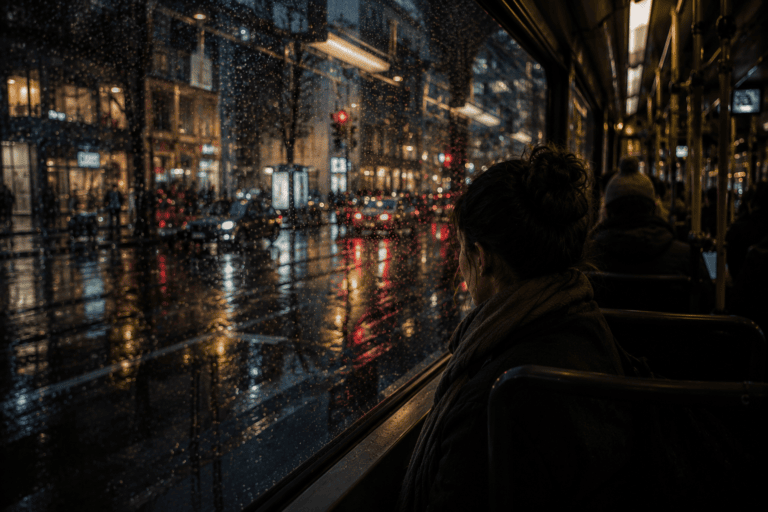
Attention is difficult to notice while it is happening.
A room is entered and the eyes move somewhere first. A coat on a chair. Light falling through a window. The sound of someone breathing before they speak.
Everything else remains in the background.
Not gone.
Unattended.
Most people experience this as just seeing.
But the moment has already changed before they realize it.
The same hallway in the morning. The same buildings passed on the way home. The same objects resting in the same places for years at a time.
After enough repetition, attention fades.
Things remain visible.
But they are no longer really seen.
A person can walk through the same street for years and suddenly notice a tree they somehow never registered before. A room can feel completely different after one small detail finally stands out.
The detail was always there.
Attention simply had not settled on it yet.
What receives attention repeatedly begins to feel larger than it actually was.
A small irritation returned to throughout the day slowly changes the atmosphere of the entire day itself.
One fear revisited often enough begins appearing everywhere.
A single criticism can remain alive in someone’s mind for years while hundreds of ordinary moments disappear completely.
The same thing happens quietly in other directions too.
Beauty deepens through attention.
Friendship strengthens through it.
Places become meaningful because life keeps returning to them inwardly as well as physically.
What receives attention begins to feel more real.
After enough time, attention does more than color experience.
It begins organizing reality itself.
A person who returns constantly to disappointment eventually stops noticing possibilities that do not match it. Someone focused entirely on danger can walk through safety without ever fully feeling safe. Entire parts of life slowly disappear because attention no longer moves toward them.
The narrowing usually happens quietly.
Not as decision.
As repetition.
And once a certain emotional atmosphere has been returned to often enough, more and more of life begins taking on the same atmosphere.
Attention shifts constantly.
We talk while checking our phone. Music plays beneath our thoughts. News interrupts ordinary moments. Silence rarely lasts more than a few seconds.
Moments no longer fully settle.
Nothing remains with us long enough to be fully felt.
A person can move through an entire day without ever fully entering it.
And after enough time, this constant movement of attention begins changing the inner atmosphere itself. Rest becomes harder. Thoughts become shorter. Even beauty can pass by without leaving much behind because attention has already moved somewhere else before the moment fully opened.
After enough time, fragmentation begins to feel normal.
We can spend years feeling the same fears, the same anger, the same disappointments.
New possibilities appear less and less.
And slowly, the world begins taking the shape of whatever repeatedly receives our attention.
Through repetition.
Until other ways of living no longer feel fully real.
And yet there are still moments where the pattern loosens slightly.
A laugh arrives in the middle of a difficult week and something opens for a few seconds. Light falls differently across a familiar room. A stranger says something simple that stays longer than expected.
Nothing dramatic changes.
For a moment, attention moves somewhere new.
And the world changes with it.
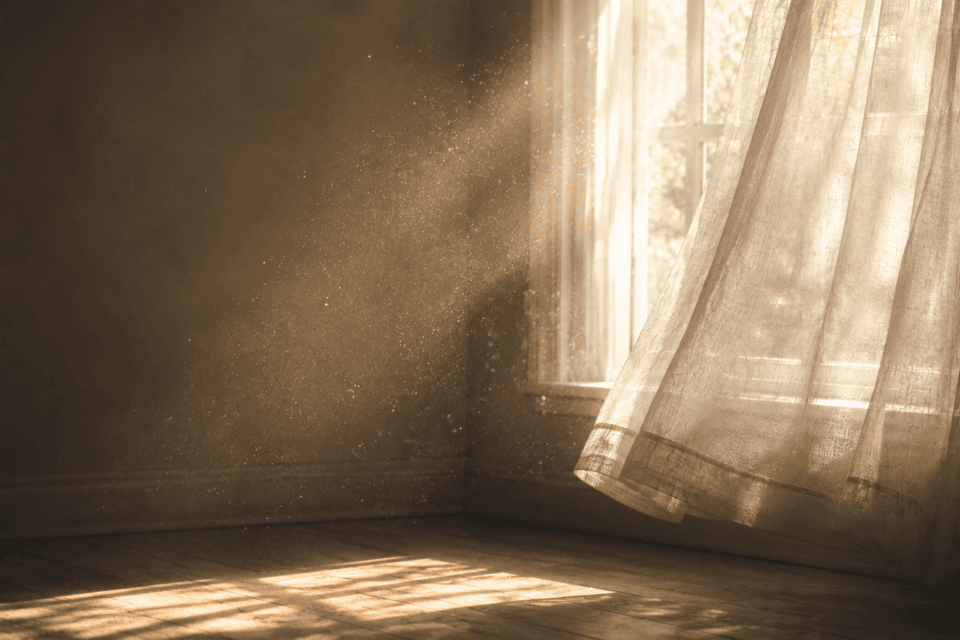
Nothing is final.