

Social Isolation: A Growing Trend of Digital Seclusion
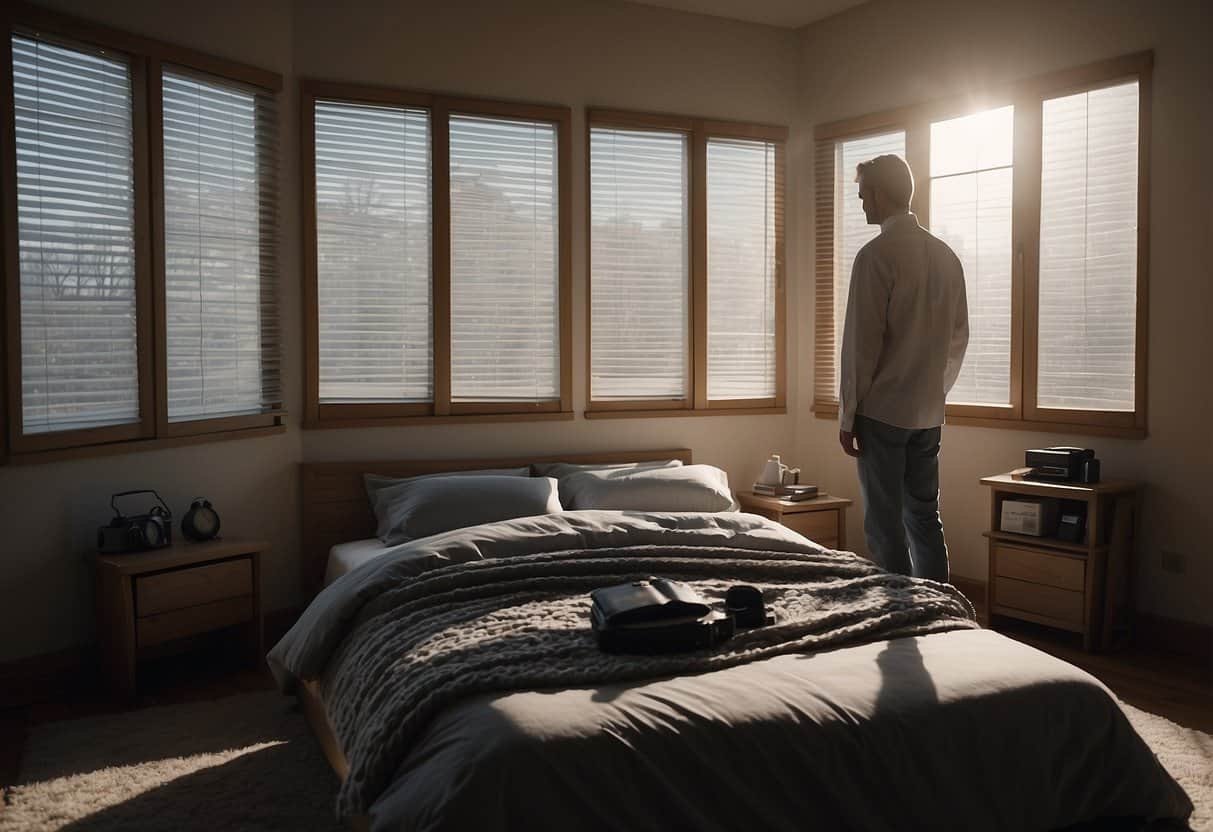
Young people are spending more time alone in their bedrooms. This trend is growing, with many staying isolated for long periods. Some don’t leave their rooms for years.

Social isolation among young people is on the rise, with many retreating to their bedrooms for extended periods. The Covid-19 pandemic made this worse. It forced people to stay home and limit social contact.
Now, even as restrictions ease, many young adults find it hard to reconnect.
Several factors contribute to this problem.
Social media can make real-life interactions seem less appealing. Pressure to succeed in school and work can be overwhelming.
Some young people feel safer in their rooms, away from the world’s demands.
Key Takeaways
- Social isolation among young people is increasing, with many spending long periods in their bedrooms
- The Covid-19 pandemic worsened this trend, making it harder for young adults to reconnect
- Factors like social media use and pressure to succeed contribute to this growing issue
The Rise of Social Isolation

Social isolation has become more common, especially among young people. This trend has been fueled by the COVID-19 pandemic and changes in technology use.
Pandemic Influence on Social Isolation
The COVID-19 pandemic pushed many into isolation. You may have found yourself stuck at home, cut off from friends and family.
Young people were hit hard. Schools closed, and social activities stopped.
This forced isolation changed habits. Some got used to staying in their rooms.
Even as restrictions eased, the pattern stuck. You might know someone who still spends most of their time at home.
Social skills suffered too. Less practice talking face-to-face made it harder to connect. This made going back to normal life tough for many young people.
Effects of Technology on Social Behavior
Technology has changed how you interact.
Smartphones and social media can keep you connected, but they also have downsides.
Apps and games offer easy entertainment without leaving your room. You might find it tempting to chat online instead of meeting in person.
This can lead to less real-world social contact.
Social media can make you feel left out too. Seeing others’ highlight reels may make your life seem dull in comparison.
This can push you to withdraw more.
Too much screen time can hurt sleep and mood. Poor sleep and low mood can make you less likely to socialize.
It’s a cycle that’s hard to break.
Consequences of Prolonged Isolation
Social isolation can harm your well-being in many ways. It affects both your mind and body, leading to serious issues if left unchecked.
Mental Health Decline
Staying alone for too long can make you feel sad and anxious. You may start to worry more and feel stressed out.
Some people get depressed when they don’t see others often.
Your mood can change fast. You might feel angry or upset for no clear reason.
This can lead to fights with family or friends when you do talk to them.
Being alone a lot can mess with how you think. You may find it hard to focus or remember things. Your brain needs social time to stay sharp.
Physical Health Implications
Your body suffers when you’re alone too much.
You might not eat well or exercise enough. This can make you gain weight or feel weak.
Sleep problems are common. You may stay up late and sleep during the day.
Bad sleep hurts your immune system, making it easier to get sick.
Your heart health can get worse. Being alone raises your blood pressure and heart rate. This puts extra stress on your body over time.
You might pick up bad habits like smoking or drinking too much. These hurt your health even more in the long run.
Understanding Solitary Behaviors
Young people who isolate themselves often show specific behaviors. These can stem from various causes and may point to underlying issues that need attention.
The Role of Punishment and Confinement
Punishment involving isolation can make solitary behaviors worse. When you isolate a teen as punishment, it may lead to more withdrawal.
This is seen in detention facilities that use solitary confinement.
Teens in these settings can feel hopeless and trapped. The lack of social contact harms their mental health. It can increase the risk of suicide in some cases.
Confinement, even at home, can have similar effects. Being grounded to your room for long periods may seem like a good punishment. But it can push you further into isolation.
Identifying Warning Signs
Look for changes in a young person’s habits. They may spend more time alone in their room than before.
You might notice they skip meals with family or avoid going out.
Other signs include:
- Refusing to go to school
- Dropping out of activities they used to enjoy
- Sleeping much more than usual
- Showing little interest in friends
Pay attention to their online behavior too.
Some teens replace real-life connections with virtual ones. This can look like being active online but avoiding face-to-face contact.
Mood changes are also key. Watch for signs of sadness, anger, or anxiety. These could point to deeper issues behind the isolation.
Impact on Different Demographics
Social isolation affects young people in varied ways. Certain groups face unique challenges that can worsen feelings of loneliness and disconnection.
Racial and Gender Disparities
Black students often experience higher rates of social isolation. Racism and discrimination can make it harder to form connections.
You may notice fewer opportunities for social engagement in some communities.
Female youth tend to report more loneliness than males. Social pressures and expectations can play a role. You might see girls spending more time alone in their rooms.
Some racial groups use social media differently. This can impact how isolated they feel. Your background may influence your online and offline social habits.
Challenges for Students with Disabilities
If you have a disability, you may face extra barriers to social interaction.
Physical limitations can make it harder to join activities. You might feel left out or misunderstood by peers.
Online spaces can help, but they’re not perfect. You may struggle with accessibility issues on social platforms. This can increase feelings of isolation.
Some disabilities affect social skills. You might find it tough to read social cues or start conversations.
This can lead to spending more time alone in your room.
Schools don’t always have good support systems. You may lack resources to help you connect with others. This can make social isolation worse for students with disabilities.
Societal and Familial Support Systems
Support systems play a key role in helping young people who are socially isolated. These systems can provide resources, connections, and guidance to assist those struggling with isolation.
Community Programs and Mentorship
Local community centers often offer programs aimed at connecting isolated youth. These may include support groups, social activities, and skill-building workshops.
Libraries and parks departments frequently host events to bring young people together in safe spaces.
Mentorship programs can make a big difference.
Organizations like MENTOR match isolated youth with caring adult mentors. These relationships give young people someone to talk to and learn from outside their immediate family.
Schools are stepping up efforts to identify and help isolated students. Many now have counselors trained to spot signs of withdrawal and connect students to resources.
The Role of Non-Profit Organizations
Non-profits play a crucial part in supporting isolated youth.
The National Alliance on Mental Illness (NAMI) provides education and advocacy around mental health issues that often accompany isolation.
Local chapters of national organizations like Boys & Girls Clubs offer after-school programs. These give young people a place to socialize and build confidence.
Crisis hotlines run by non-profits provide 24/7 support. You can call or text if you’re feeling alone and need someone to talk to.
Online communities created by non-profits help isolated youth connect virtually. These spaces let you meet others going through similar experiences from the comfort of home.
Preventive Measures and Early Intervention
Taking action early can help young people avoid social isolation. There are steps you can take to promote mental health and create safer environments.
Promoting Mental Health Awareness
Mental health education is key. Talk openly about feelings with young people.
Teach them it’s okay to ask for help.
Schools can offer mental health classes. These can cover topics like stress, anxiety, and loneliness.
Parents play a big role too.
Set a good example by taking care of your own mental health. Spend quality time with your kids.
Put away phones during family meals. Plan fun outings together.
Encourage kids to join clubs or sports teams. This helps them make friends and feel connected. Set limits on screen time. Too much can lead to isolation.
Creating Policies for Protection and Safety
Safety rules matter.
Schools should have clear anti-bullying policies. These protect kids from harm that can lead to isolation.
Make sure your school enforces these rules.
The CDC offers guides on youth safety.
Read them to learn best practices.
You can push for your school to follow these tips.
Congress can help too.
They can fund more mental health programs in schools.
Write to your representatives about this issue.
Ask them to support bills that help isolated youth.
Online safety is crucial.
Set up parental controls on devices.
Teach kids about internet dangers.
Show them how to report harmful content.
This keeps them safer as they connect online.
Looking Forward: Policy and Future Directions
You can take steps to address social isolation in young people. Funding for mental health programs is key.
Congress should increase spending on youth services and outreach.
States like Illinois have created task forces to study this issue. Other states could follow their lead.
Local governments can also help by offering free social activities for teens and young adults.
Schools play a big role too. You can encourage them to teach social skills and offer more clubs and sports.
This gives kids chances to connect with others.
Technology companies should step up as well. They can design apps and features that promote healthy social interactions online.
Setting limits on screen time is another option to consider.
In emergencies, having a support system is crucial. You can set up crisis hotlines and text services for isolated youth to reach out.
Make sure these are well-funded and staffed 24/7.
The cost of not acting is high. Investing in these areas now can save money on healthcare and lost productivity later.
It’s better to prevent problems than try to fix them after they start.
Remember, small changes can make a big difference. By working together, you can help young people build stronger social connections and lead happier, healthier lives.
Dirk Bosman, Prague, 2024
All images are artificial generated by Dirk Bosman and licensed under Creative Commons BY-NC 4.0
